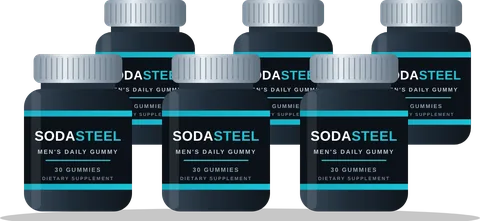
The six ingredients listed on the SodaSteel label have very different homes: Tongkat Ali from Southeast Asian rainforest, Ashwagandha from the dry regions of India, L-Citrulline named for watermelon, Zinc from the periodic table, Maca Root from the high Andes, and Tribulus Terrestris from sunny ground across several continents.
Stop one: the Southeast Asian rainforest · Stop two: the dry plains of India · Stop three: a watermelon field in 1914 · Stop four: the periodic table · Stop five: the high Andes · Stop six: sunny ground on three continents
- The six ingredients are listed by the brand, with no amounts shown.
- Four are plants from four different regions of the world.
- One name traces back to watermelon, and one is an element.
- This guide covers origins and culture only, with no effect claims.
Stop one: the Southeast Asian rainforest
Our first stop is Tongkat Ali, the botanical Eurycoma longifolia. It is a tall, slender tree native to the rainforests of Malaysia, Indonesia, and neighboring countries in Southeast Asia, and the part used is its root. The name comes from Malay and is often translated as "Ali's walking stick," a nod to the long, straight stems.
In Indonesia the plant also goes by another local name, pasak bumi, which means roughly "nail of the earth." Both names, one Malay and one Indonesian, tell you something about how closely the plant is tied to the cultures that named it.
Stop two: the dry plains of India
Next is Ashwagandha, or Withania somnifera, a modest shrub in the nightshade family. It grows in dry regions of India, parts of the Middle East, and Africa, and it has long been part of Ayurveda, India's traditional system of knowledge.
The name is Sanskrit. It combines the words for horse and smell, a reference to the distinctive scent of the fresh root. It is one of the more memorable botanical names in any ingredient list, and a good party fact for the next time someone asks what is in your morning routine.
Ready to start your routine?
SodaSteel: a daily men's wellness gummy, two a day, with a 60-day money-back guarantee.
Order SodaSteel NowStop three: a watermelon field in 1914
L-Citrulline has the most surprising backstory on the list. The name comes from Citrullus lanatus, the Latin name of watermelon, because the compound was first isolated from that fruit by researchers in Japan in the early twentieth century.
It is an amino acid, and amino acids are the building blocks of protein, so this stop is less about geography than about chemistry that happens to carry a fruit's name.
Stop four: the periodic table
Zinc is a mineral, an element with atomic number 30, and it needs no passport. It occurs in rock and soil, and it turns up in everyday foods. The NIH's Office of Dietary Supplements has an accessible fact sheet if you want to go deeper into the mineral itself.
To see which foods contain it, the USDA FoodData Central database is a searchable reference. The name itself comes from the German word Zink.
Stop five: the high Andes
Maca Root, Lepidium meyenii, grows on the high plateaus of the Peruvian Andes, often above 4,000 meters, where cold wind and thin air shape every crop. It belongs to the cruciferous family, which makes it a cousin of radishes and turnips, and the part used is the root.
Communities in the central highlands have cultivated it for centuries, which makes it one of the region's signature plants. Its harsh, high-altitude home is a big part of why it has such a strong sense of place in Peruvian food culture.
Stop six: sunny ground on three continents
The final stop is Tribulus Terrestris, a low, mat-forming plant that spreads along the ground in warm regions of southern Europe, Asia, and Africa. Its small spiky burs earned it the nicknames puncture vine and caltrop, and you will remember them if you ever step on one barefoot. The plant is a reminder that even humble roadside ground can contribute a name to a modern ingredient list.
That is the full tour. For the formula as presented on the label, visit the formula page, and for a view of the whole product, see the what is SodaSteel page. If you want a quick summary of how it all fits into a daily habit, the how it works page covers it.